Early Orthodontic Intervention: How Kids' Teeth Straightening Works from Ages 7–12
When parents think about straightening their kids' teeth, they usually think of teens with braces or clear aligners. But more and more orthodontists and dentists say that kids should be checked for orthodontic treatment much earlier, starting around age seven. Early intervention doesn't always mean treatment right away, but it does mean a dentist or orthodontist can detect problems while a child's jaw and teeth are still growing, making them easier and more effective to fix later.
Why Age Seven Is the Recommended Starting Point
The Australian Society of Orthodontists says that kids should have their first orthodontic checkup when they are seven years old. At this age, a child usually has a mix of primary and permanent teeth. This makes it easy for a dentist or orthodontist to see how the adult teeth are likely to come in. It's a great time to find problems like crowding, crossbites, underbites, overbites, and spacing issues before they get worse. Taking care of these problems early on with the right orthodontic services can make any future teeth straightening treatment less complicated.
Just because you get checked out early doesn't mean you get treated early. Most of the time, the orthodontist will just keep an eye on a child's teeth as they grow and only step in when the time is right. But that baseline evaluation is very important in the larger field of dentistry.
Common Orthodontic Issues Identified in Children Aged 7–12
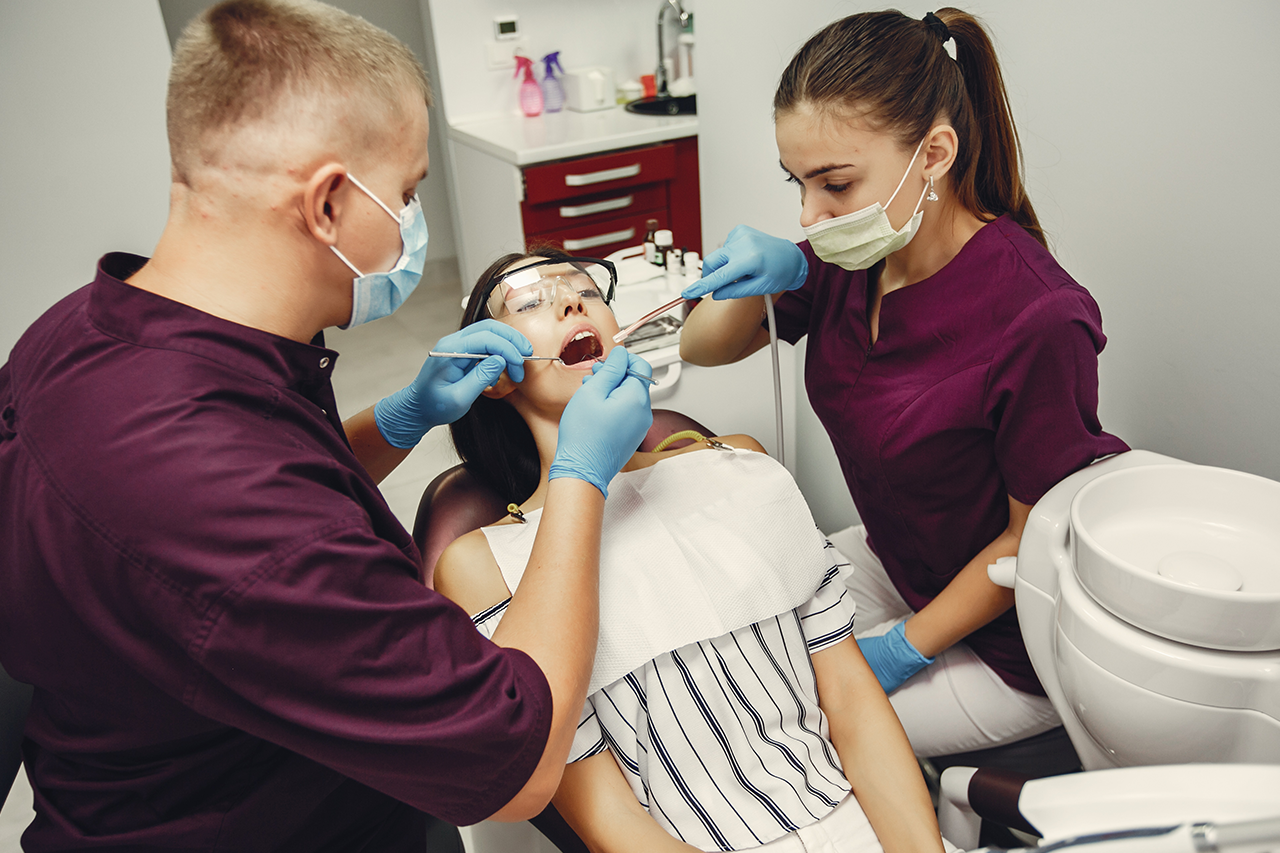
There are many problems that school-aged kids have that respond well to early orthodontic treatment. When there isn't enough room in the jaw for all of the permanent teeth to come in properly, this is called crowding. Crossbites happen when the top teeth sit inside the bottom teeth. This can change the way the jaw is aligned and cause uneven growth. Another common problem is protruding front teeth, which are often called "buck teeth." These teeth are more likely to get hurt and can make a child feel less confident and smile less.
Thumb-sucking and using a pacifier for a long time are two habits that can also change the alignment of teeth and the growth of the jaw. An orthodontist or cosmetic dentist can tell you if these habits have had a long-term effect and suggest ways to fix them.
Phase One Treatment: What It Involves
People often talk about orthodontic treatment for kids in two parts. Phase One, which is also known as interceptive orthodontics, usually happens between the ages of seven and ten. The goal of this phase is not to get straight teeth, but to make sure that the person grows up in a healthy way. Treatment may involve palate expanders to widen a narrow jaw, dental braces on certain teeth, space maintainers to make room for permanent teeth, or removable appliances that help the jaw grow.
Phase One treatment takes advantage of the fact that a child's bones are still growing and are very open to new ideas. During this time, dentists and orthodontists can do things that would require surgery in adults. The orthodontic work done at this point is meant to help the body work better, not against it.

Braces and Aligners: Options for Younger Patients
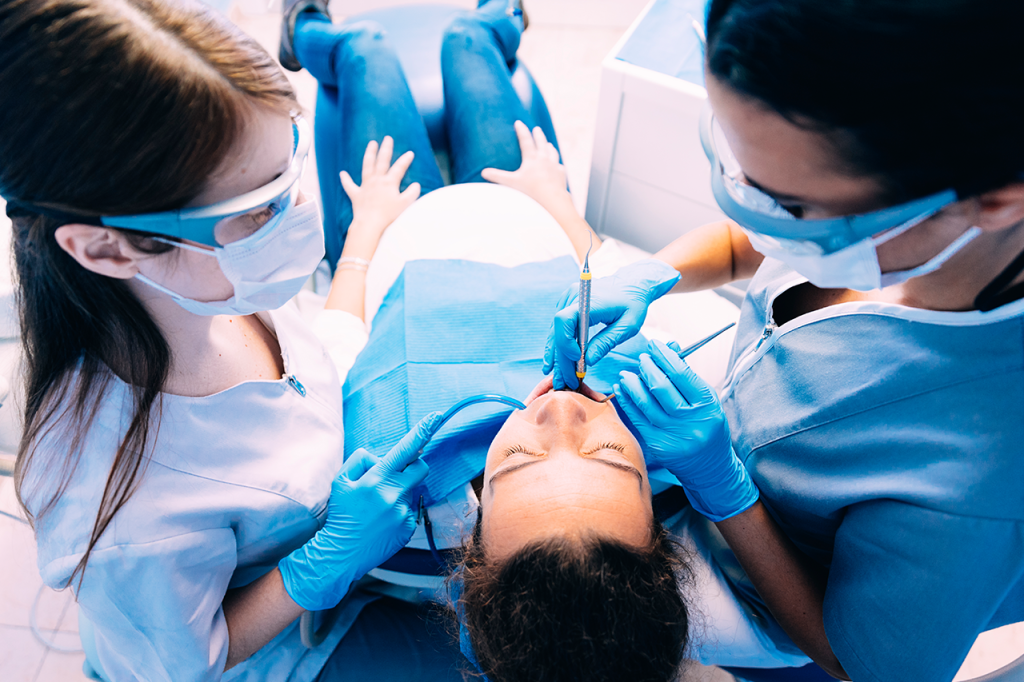
Braces for kids' teeth are still the most common way to straighten them. Metal braces are strong, work well, and can be used to fix a lot of different orthodontic problems. Ceramic braces are less noticeable than metal braces, but they work the same way. Depending on how bad the alignment problem is and what kind it is, clear aligners may also be a good choice for older kids who are getting close to their teens.
Invisalign and ClearCorrect are two systems that have made products just for kids. For example, Invisalign clear aligners come with a set of custom-made, removable trays that slowly move teeth into place. ClearCorrect works on the same idea. But whether or not aligners are good for kids depends a lot on how well they follow the rules. To work, they need to be worn for at least 20 to 22 hours a day, which takes discipline and help from parents.
For teens with mild to moderate crowding, systems like CFast, which focus mostly on the front cosmetic teeth, may also be an option. However, these systems are usually more useful for older teens and adults than for younger children. Dentists and orthodontists will look at each child separately to see which appliance is best for them.
The Role of the Family Dentist in Early Orthodontic Care
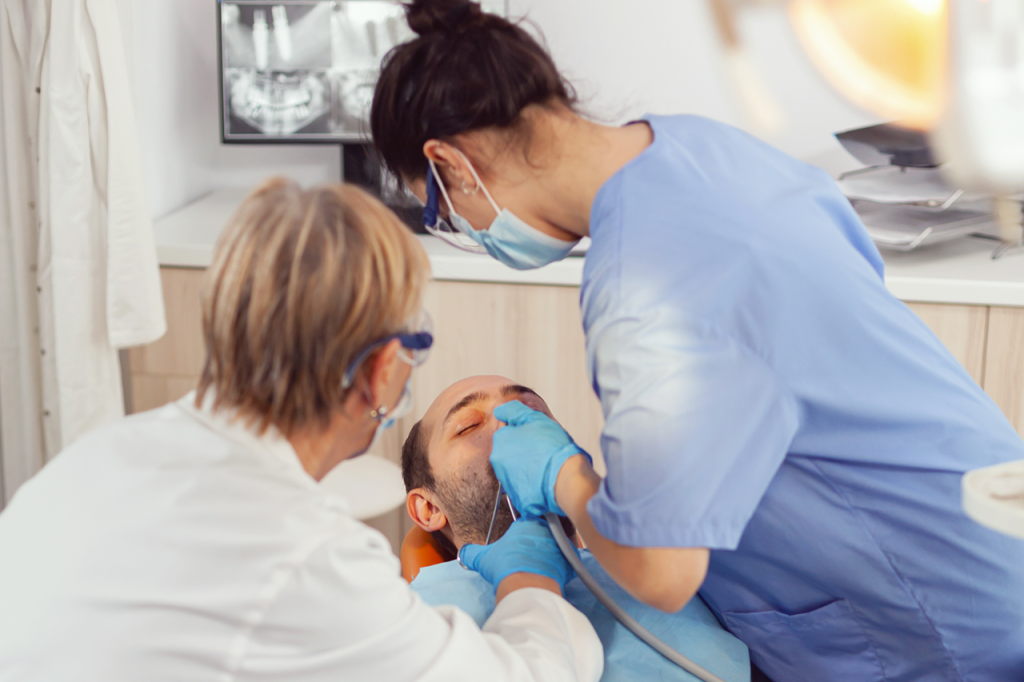
When parents are worried about their child's teeth, they often go to their family dentist first. Dentists can keep an eye on the way permanent teeth come in and look for early signs of orthodontic problems during regular check-ups. General dentists aren't orthodontic specialists, but many of them know when to send a patient to an orthodontist. One of the best ways to ensure problems are found early is to keep regular dental appointments every six months.
Parents should talk to their dentist about any worries they have, like their child's bite, the way their smile looks, or the space between their teeth. Dentists can also help kids with braces or aligners learn how to keep their mouths clean. This is because braces and aligners need more careful cleaning to keep teeth from rotting.
What to Expect During Phase Two
Phase Two treatment starts when most or all of the permanent teeth have come in, which usually happens between the ages of 11 and 13. This is the last step in straightening teeth, when braces or aligners are used to move all the teeth into their final positions. Kids who received Phase One treatment usually need a shorter or less intensive Phase Two course because the first part has already been completed.
Treatment in Phase Two usually lasts between twelve and twenty-four months, depending on how complicated the case is. After active treatment, retainers are worn to keep the results and keep the teeth in the right position. All good orthodontic practices will stress how important this retention phase is to any orthodontic treatment plan.
The Emotional and Social Benefits of Early Treatment
There is an important emotional aspect to getting your teeth straightened early, in addition to the physical health benefits. Kids who are embarrassed about their crooked teeth or smile may be afraid to do things like take school pictures, speak in public, or play sports. Addressing these problems in childhood, before they become a bigger part of a young person's self-image, can have long-lasting positive effects on their health and confidence.
Orthodontics is not just for looks. It's easier to clean teeth that are in the right place, which lowers the risk of cavities and gum disease. A bite that works well also puts less stress on the jaw joints and the muscles around them. These benefits add up over a child's life. One of the best things parents can do for their child's long-term dental health is to pay for an early orthodontic evaluation and, if necessary, treatment. The best first step to learning about your options is to talk to a dentist or orthodontist who knows what they're talking about.