
Broken, Knocked‑Out, or Cracked Tooth: Emergency Dental Treatments Explained
It's not often that dental emergencies happen at a good time. If you get hit in the elbow during a weekend footy game, bite down on something unexpectedly hard at dinner, or wake up in the middle of the night with throbbing pain, knowing what to do and where to go can mean the difference between saving and losing a tooth. If something goes very wrong with your teeth or mouth, the first thing you should do is call an emergency dentist. Knowing what treatments are available can help you stay calm when you need to the most.
What Counts as a Dental Emergency?
You don't always need to rush to the dentist after hours for a toothache, but there are times when you really can't wait until your next appointment. A knocked-out tooth, a badly cracked or broken tooth, uncontrolled bleeding, significant swelling around the jaw or gums, or severe dental pain are all dental emergencies that need to be treated right away by a professional.
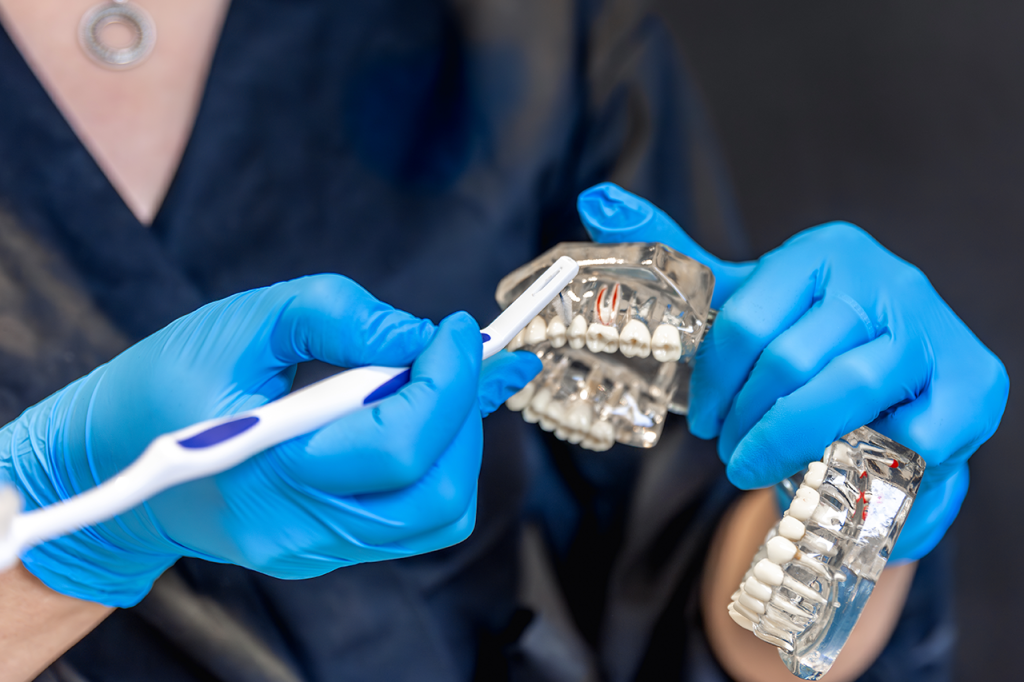
Abscesses, which are serious infections that can spread beyond the mouth if not treated, are also dental emergencies. Other dental emergencies include trauma to the soft tissues of the mouth, damage to existing dental crowns or bridges, and complications from wisdom teeth that cause sudden, severe pain. If you're ever not sure if you need emergency care, it's always better to call an emergency dentist and tell them what's wrong than to wait it out.
Knocked-Out Tooth: Act Within the Hour
One of the most time-sensitive dental emergencies is a tooth that has been completely knocked out. The best time to replant is within 30 to 60 minutes of the injury. What you do right after a tooth is knocked out has a direct effect on whether a dentist can save it.
If the tooth is dirty, pick it up by the crown, not the root, and rinse it with clean water. Don't scrub it or cover it with tissue. If you can, put it back in the socket and hold it there gently. If that doesn't work, put the tooth in a small container of milk or between your cheek and gum to keep it wet. Then, go to the emergency dentist right away.
When you get there, the dentist will examine the tooth and the injury, clean the socket, and try to reinsert the tooth. A splint may be put on teeth next to the one that is healing to keep it from moving. If reimplantation isn't possible, the dentist will talk to you about options for replacing your teeth, like dental implants, dental bridges, or partial dentures. These will help you get your oral health back and avoid the long-term effects of losing teeth.
Cracked and Broken Teeth: More Complex Than They Look
A chipped or broken tooth can be as small as a chip that makes the edge rough or as big as a deep fracture that shows the tooth's inner pulp and causes severe, constant pain. The type of dental care you need depends on how bad the crack is.
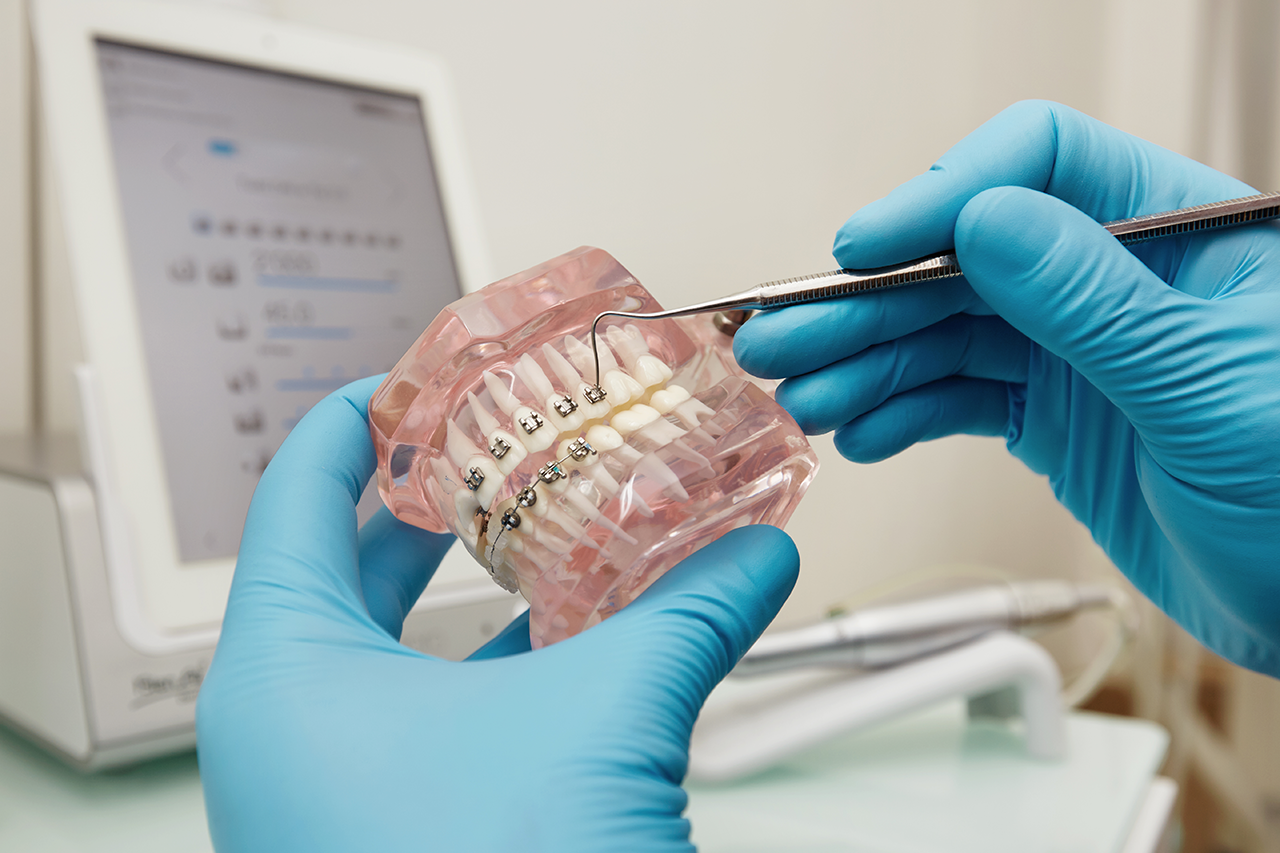
If a tooth has small chips or cracks that don't go all the way through, a dentist may use bonding material to fix the shape and protect the area that is exposed. If a tooth breaks in a way that affects a lot of it, it usually needs a dental crown to protect what is left. A dental crown is made to fit over the broken tooth. It fixes both the look and the function of the tooth and stops more damage from happening.
Root canal therapy is usually needed when a crack extends all the way through the pulp, the soft tissue in the middle of the tooth that contains nerves and blood vessels. This procedure removes the damaged pulp, cleans and seals the canal, and then places a dental crown to strengthen it. Root canal treatment has a bad reputation for being painful, but modern dentistry has made it a simple and manageable procedure, especially when done by an experienced emergency dentist.
If the tooth is broken below the gum line or completely split, extraction may be the only option in the worst cases. Before suggesting that you have a tooth removed, your dentist will always look into every option to save it.
Managing Pain and Swelling Before You See a Dentist
While you wait to see an emergency dentist, you can do things at home to ease your pain. Ibuprofen and paracetamol are two over-the-counter pain relievers that can help with both pain and swelling. Putting a cold pack on the outside of the cheek for 10 minutes at a time can also help keep the swelling down and numb the area.
Don't put aspirin directly on the gum or tooth because it can burn the soft tissue. If there is bleeding, gently press on it with a clean piece of cloth or gauze. While you wait for your appointment, don't eat or drink anything very hot, cold, or hard. This can make the injury worse and make the dental pain worse.
If you notice swelling spreading to your neck or the floor of your mouth, or if you have trouble breathing or swallowing, you may have a serious infection that could kill you. In these situations, you should go to the emergency room right away rather than wait for dental care.
The Role of Emergency Dental Care in Long-Term Oral Health
Getting quick care from an emergency dentist does more than just relieve pain right away; it also protects your long-term oral health. If you don't treat dental trauma, it can cause infection, gum disease, bone loss, and the slow movement of teeth around it. If you don't get dental work like implants or dental bridges to fix tooth loss, it can change your bite, jaw function, and even your confidence.
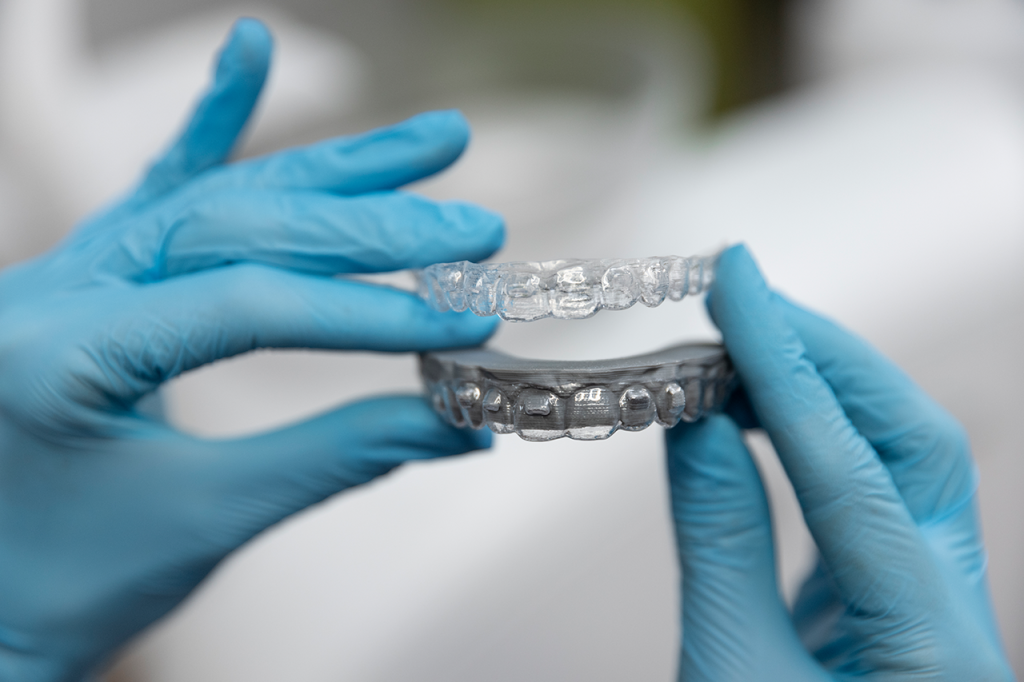
Regular dental care and checkups with your dentist can help find problems before they become full-blown dental emergencies. For example, worn enamel, early-stage decay, or old restorations that are likely to fail. The best way to stay healthy in dentistry is still to prevent problems from happening in the first place. But if something does happen, knowing that you can get quick, professional emergency care gives you the best chance of a full recovery.
If you ever have to deal with a broken, knocked-out, or cracked tooth, don't wait. Call an emergency dentist right away and do what they say. Your smile is worth it.