
Teen Orthodontics: What to Expect During the First 90 Days of Wearing Braces
For any teen, starting orthodontic treatment is a big deal. Dental braces are one of the best and most reliable ways to fix crowded teeth, an overbite, or just make your teeth straighter. The first 90 days, on the other hand, can be hard to handle if you don't know what's coming. This guide will help you and your family feel ready and confident every step of the way through the early stages of orthodontic treatment.
The Initial Consultation and Fitting Appointment
Before putting on dental braces, your orthodontist will carefully look at your teeth, jaw alignment, and the shape of your face. Usually, this means taking X-rays, pictures, and digital scans or impressions. The goal is to make a treatment plan that is exactly right for your orthodontic needs.
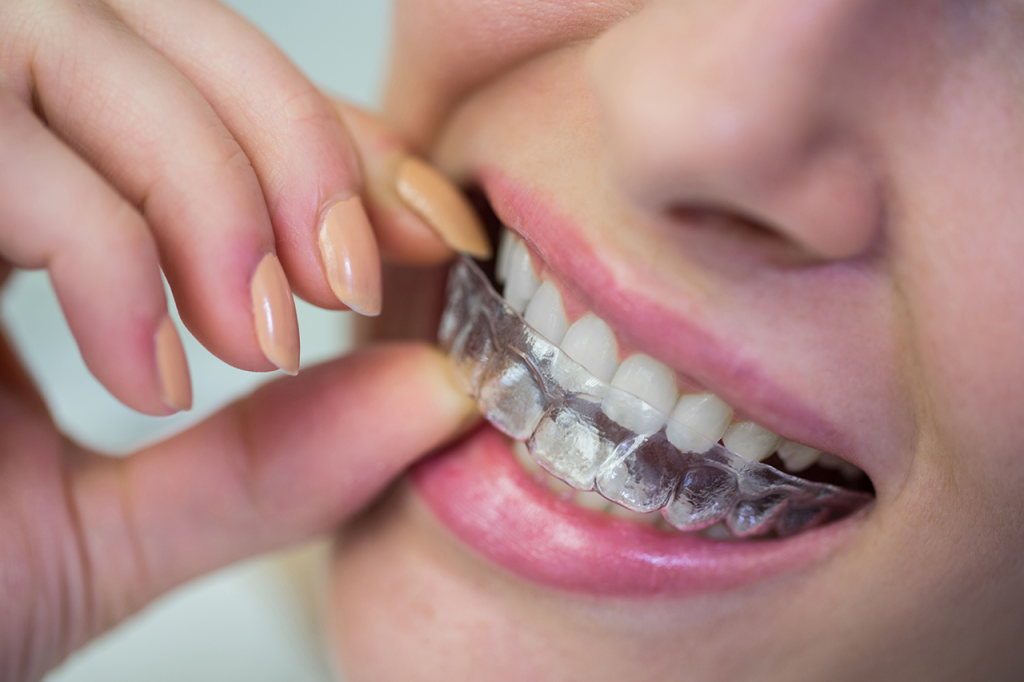
The orthodontist will clean and dry your teeth on the day of the fitting. Then, they will bond the brackets directly to the surface of each tooth. Then, a wire is threaded through the brackets and held in place with small elastic bands. It usually takes between one and two hours to finish the whole thing. The procedure itself doesn't hurt, but most teens feel a dull ache in the hours after the braces are put on as their teeth start to adjust to the gentle pressure.
Your dentist or orthodontist will also show you how to clean around the brackets, tell you which foods to avoid, and let you know when to schedule your next appointment for an adjustment. Don't be afraid to ask questions during this visit. Knowing what to expect from your dental care from the start will make the whole process go more smoothly.
The First Week: Soreness, Adjustments, and New Habits
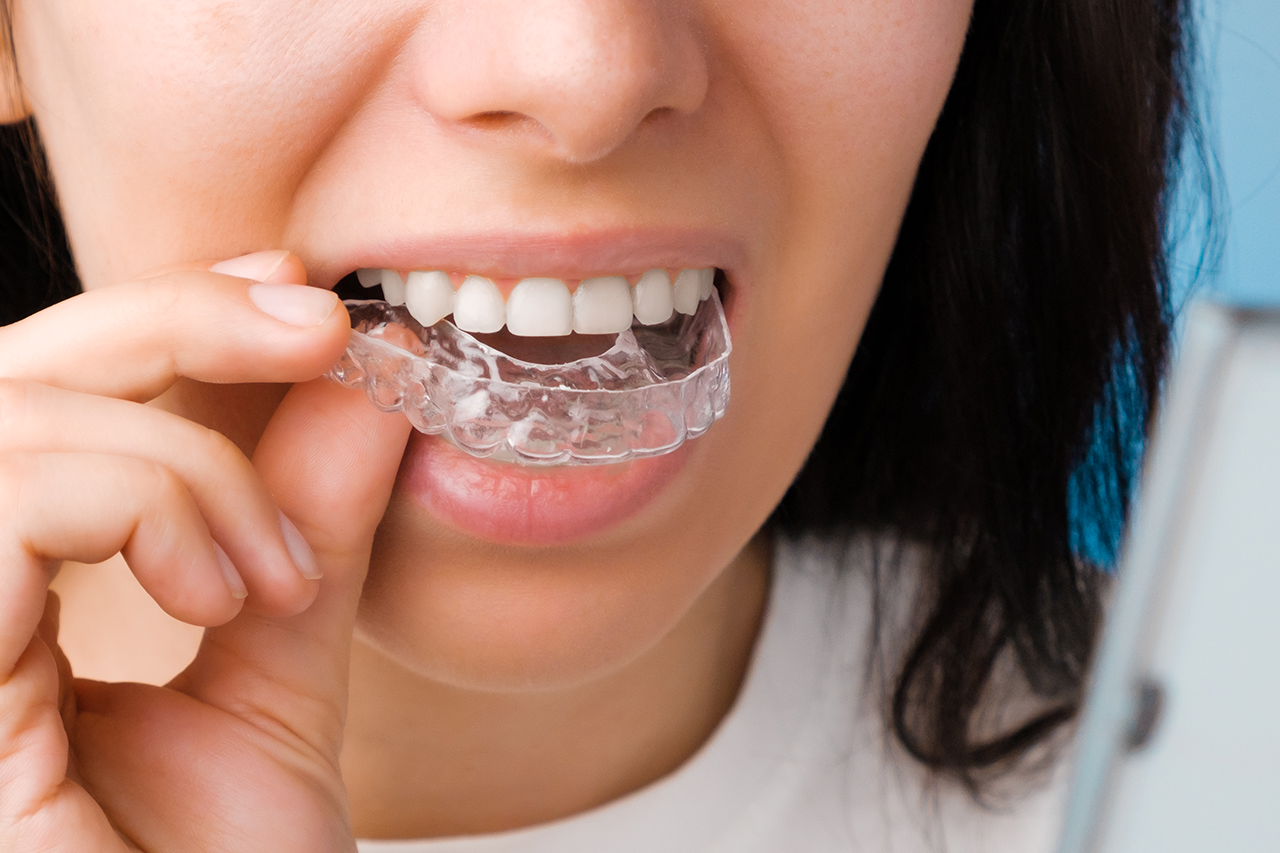
The first week with braces is usually the most painful. Your teeth and gums aren't used to the constant, low-level pressure yet. It's normal to feel mild to moderate pain, and it usually gets worse between 48 and 72 hours after the braces are put on. Pain relievers that you can buy without a prescription, like paracetamol or ibuprofen, can help ease your pain during this time.
It will feel different to eat. In the first week, soft foods like yoghurt, mashed potatoes, scrambled eggs, and soup will be your best friends. Stay away from hard, crunchy, or sticky foods, as they could move brackets or bend the wire. During your whole treatment, you should stay away from hard lollies, raw carrots, and chewy bread. This is true for the whole time.
Your lips and the inside of your cheeks may also feel sore as they get used to the metal braces. Your orthodontist will probably give you orthodontic wax, which you can press over any sharp or protruding areas to reduce friction. Your mouth will start to toughen up in a week or two, and this irritation usually goes away on its own.
When you get braces, taking care of your teeth becomes much more important. Plaque and food can easily get stuck around brackets and wires, which can make tooth decay and gum disease more likely. Use a soft-bristle toothbrush and fluoride toothpaste to brush your teeth after every meal. To clean between the wires and along the gumline, use either a floss threader or interdental brushes.
Weeks Two to Four: Finding Your Rhythm
Most teens say that by the second and third week, their daily lives start to feel easier to handle. The pain from the first fitting has usually gone away, and the new habits for taking care of your teeth are becoming second nature. You may still feel a little sore after each adjustment appointment, but this is usually less painful than it was the first week.
Your speech may also change a little bit in the first few weeks. Some teens notice that they have a lisp for a short time or have trouble saying some sounds. This is a normal part of getting used to dental braces. It usually goes away in a few weeks as your tongue and lips learn how to move around the new things in your mouth.
If a wire pokes you in a painful way or a bracket comes loose, call your orthodontist right away. If you don't fix a broken part, it could slow down the process of straightening your teeth and make your overall treatment take longer.
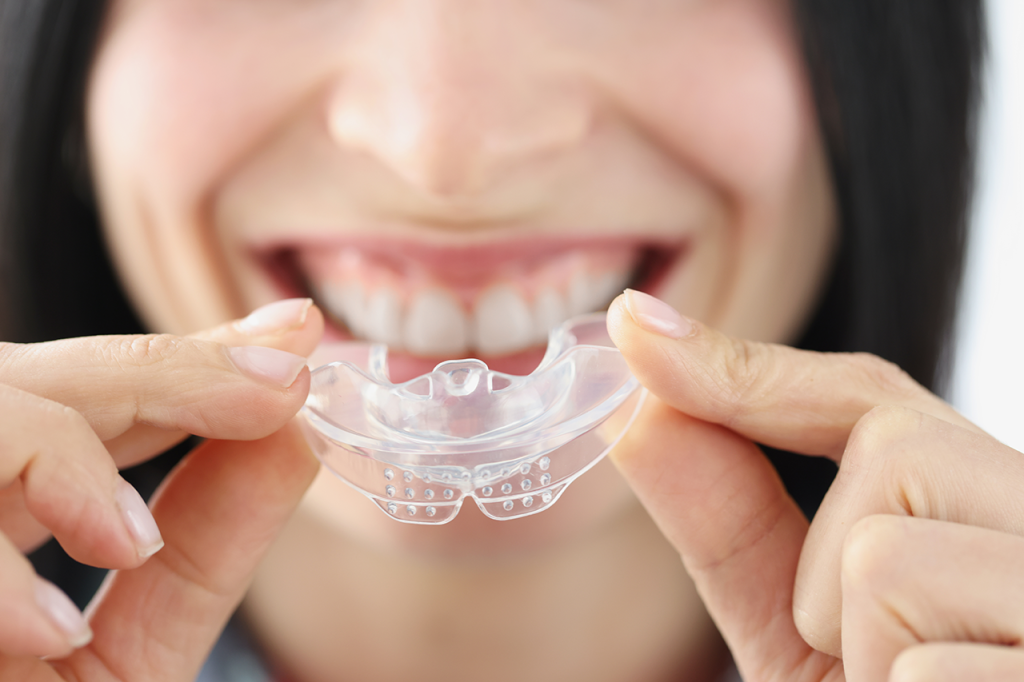
Months Two and Three: Early Signs of Progress
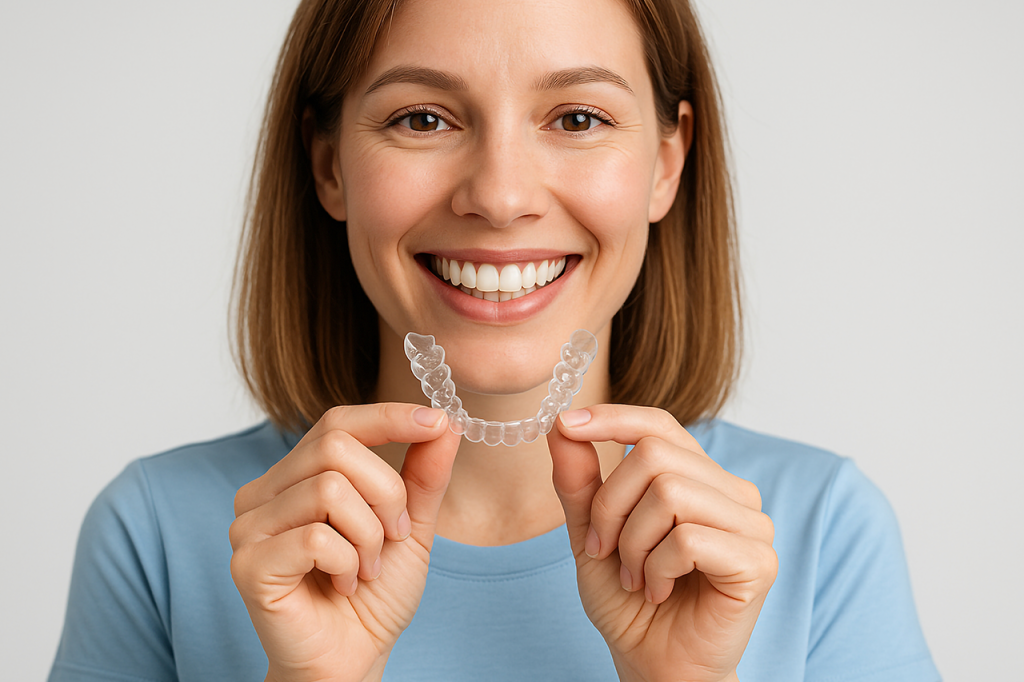
Many teens start to notice small but positive changes in the way their teeth are aligned between weeks four and twelve. The spaces between crowded teeth may start to get bigger, and the overall shape of the dental arch may start to look more even. This is one of the most exciting parts of early orthodontic treatment.
Most of the time, adjustment appointments are set up every four to six weeks. Your orthodontist will check your progress at each visit, change the elastic bands, and, if necessary, replace the archwire. Each adjustment moves the teeth a little closer to where they should be. Even though the soreness usually goes away quickly after these appointments, it's always a good idea to plan a softer diet for the day or two after.
Most teens have fully adjusted to life with braces by the end of the first 90 days. Eating, talking, and keeping your mouth clean all feel a lot more natural now than they did during that first week. Your orthodontist will also be able to tell you more about how your treatment is going and whether the time frame you were given for it is still accurate.
The Bigger Picture: Why These Early Months Matter
The first 90 days of wearing braces are very important for the rest of your orthodontic treatment. The habits you make now, like brushing your teeth every day, going to every adjustment appointment, wearing any prescribed elastics, and staying away from foods that could damage your braces, will have a direct effect on how long and how well your treatment works.
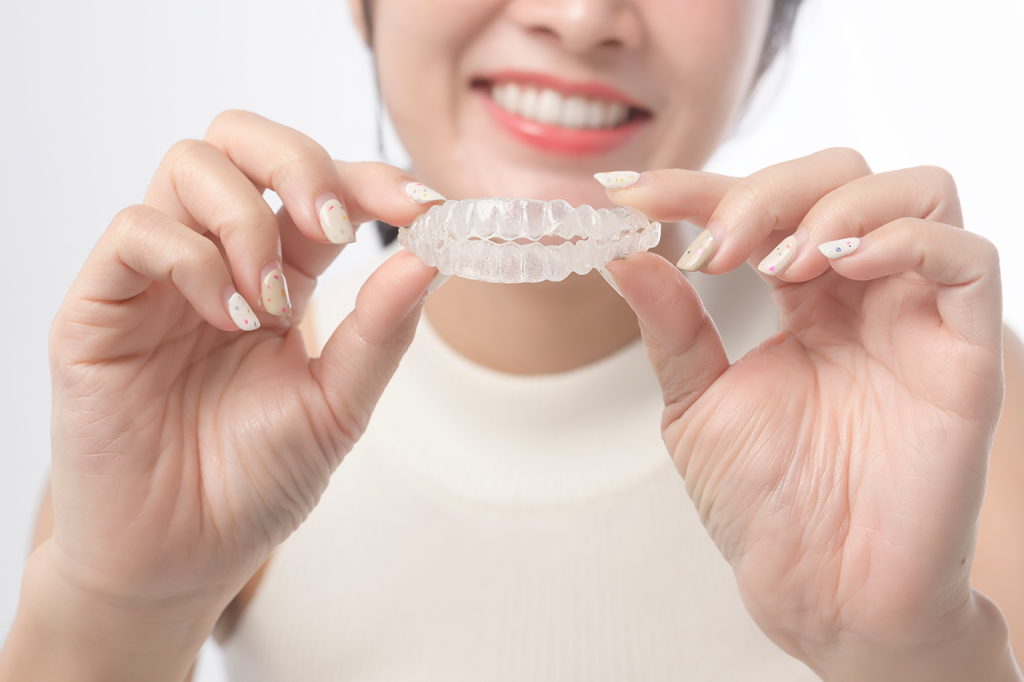
Getting a beautiful smile is not the only goal of orthodontics, though it is a nice one. Cleaning teeth that are properly aligned is easier, which lowers the risk of gum disease and decay in the long run. Fixing bite problems early on can also stop jaw pain and uneven tooth wear later in life. A lot of adults who get braces as adults do so because they didn't get the orthodontic care they needed as teenagers. This is why early intervention with dental braces is one of the best dental treatments for young people.
If you want to know what to expect from dental braces or want to learn more about the orthodontic and general dental services available for your teen, the best place to start is by talking to a qualified dentist or orthodontist. You can get straight teeth and a healthy, confident smile. It all starts with the first 90 days.