
Single‑Tooth Dental Implants: Cost, Healing Timeline, and When They're Recommended
When you lose a tooth, whether it's because of decay, an injury, or an extraction, it can affect a lot more than just your smile. It changes how you chew, how your other teeth fit in your jaw, and over time, it can cause bone loss in the area. Many Australians now turn to dental implants as the best way to replace a lost tooth that looks, feels, and works like the real thing. But before you agree to treatment, it's important to know what it really entails, including the cost, who is eligible, how long it will take to heal, and what you can realistically expect along the way.
What Is a Single‑Tooth Dental Implant?
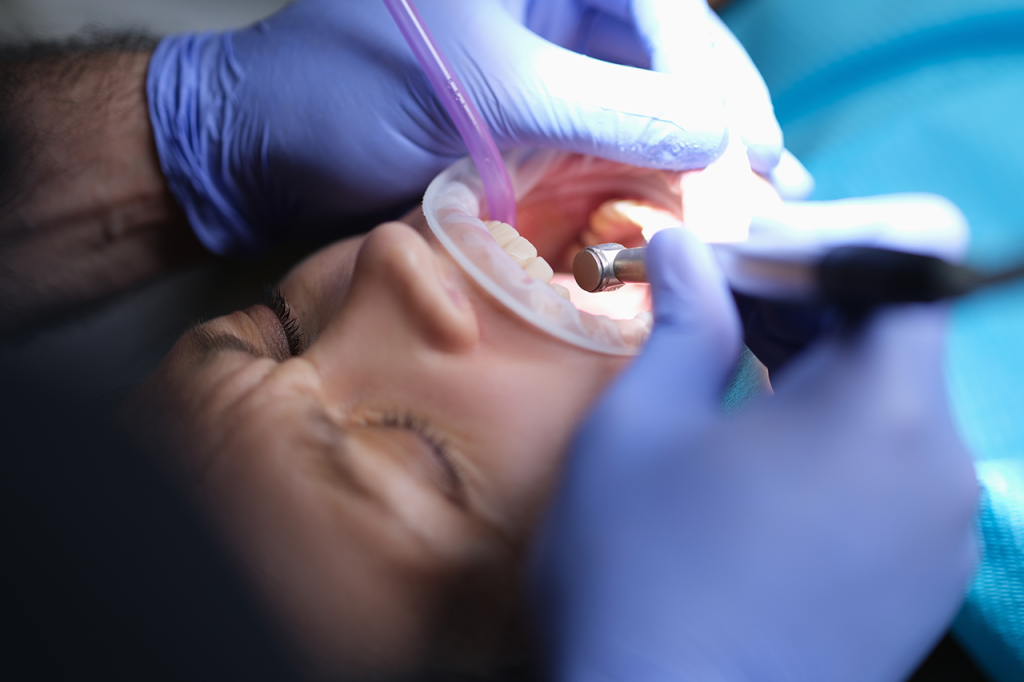
A dentist surgically puts a titanium post into the jawbone to act as an artificial tooth root. This is called a single-tooth dental implant. A custom-made crown is put on top of the post once it has fused with the bone. This process is called osseointegration. Dentures sit on top of the gum and can move or need glue, but a dental implant is permanently attached to the jaw. One of the main reasons implants have changed modern dentistry and become so popular with both patients and dentists is that they are so stable.
It's important to tell the difference between a single implant and bigger options like full-arch implants or dentures that are supported by implants. A single-tooth implant fills in one gap without affecting the teeth on either side of it. This is better than a traditional dental bridge, which requires filing down the teeth next to it to support the restoration.
Who Is a Good Candidate?

Not everyone is a good candidate for dental implants right away. The most important thing is that the jaw has enough bone density to hold the titanium post securely. People who have been missing a tooth for a long time may have lost some bone, which means they may need a bone graft before they can get an implant.
People who don't smoke or are willing to quit while they heal are usually good candidates because smoking makes healing much harder and raises the risk of implant failure. People with diabetes or other systemic conditions that are well-controlled may still be able to get the treatment, but their dentist will decide on a case-by-case basis. Most of the time, younger patients whose jawbones are still growing are told to wait until their growth is done before thinking about getting teeth implants.
Your dentist will use X-rays or a cone beam CT scan to look at your bones and see if a single implant is the best option for you.
The Treatment Process and Healing Timeline
Knowing the timeline helps you have realistic expectations. Getting a dental implant is not a one-time thing; it usually takes a few months.
The first step is to put the titanium post into the jawbone with surgery. Most of the time, this is done with a local anaesthetic and takes about one to two hours, depending on how hard it is. After surgery, it's normal to have some swelling, bruising, and pain, but you can handle it with over-the-counter painkillers.
After it is put in place, the implant goes through the osseointegration phase, during which the bone slowly grows around and bonds with the post. This phase can last anywhere from three to six months, depending on how well the person heals, the quality of their bones, and their general health. Patients are often given a temporary crown or other temporary restoration during this time so that there is no visible gap in their smile.
After osseointegration is confirmed, usually with follow-up imaging, the abutment (a small connector piece) is attached to the post, and impressions are taken to make the permanent crown. The final crown will match the colour of your other teeth so that it looks natural.
The whole process, from the first meeting to the last restoration, can take anywhere from six months to more than a year. This takes longer than other options like dentures or bridges, but most patients think the time is worth it because dental implants last longer and work better.
How Much Do Single‑Tooth Dental Implants Cost in Australia?
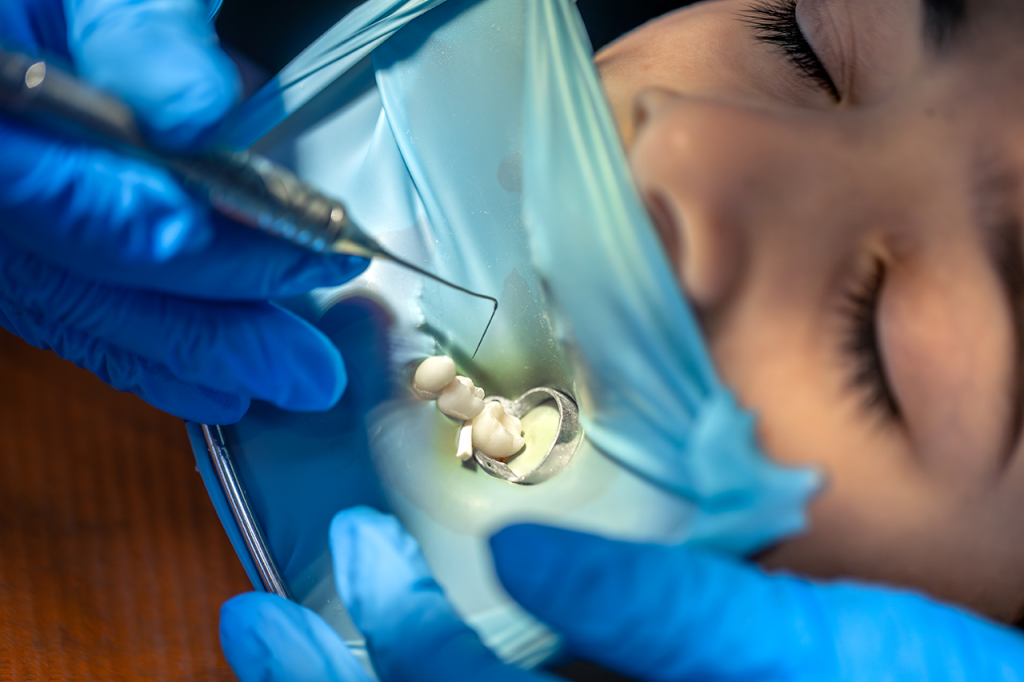
Patients often bring up cost first, and that's understandable. In Australia, the cost of a single tooth implant can be anywhere from $3,000 to $6,500 or more. The price depends on how complicated the case is, where the practice is located, and whether other procedures like bone grafting or a sinus lift are needed.
Most of the time, this price includes the crown, the abutment, and the implant post. But if you need to do things like pull a tooth or add bone before the procedure, those costs are usually billed separately.
Some of the cost may be covered by private health insurance with major dental coverage, but the level of coverage varies greatly from fund to fund. Before you go ahead, it's a good idea to call your insurance company directly to find out what you can claim. Some practices also offer payment plans to make treatment more affordable.
It's important to think about how long dental implants will last, even though they cost more up front than other options like partial dentures or a bridge. A well-placed implant can last for decades, maybe even a lifetime, if you take care of it and go to the dentist regularly.
When Are Dental Implants Recommended Over Other Options?
A dentist will usually suggest a single-tooth implant if the goal is to keep the jawbone healthy, avoid changing the teeth next to it, and get the longest-lasting and most natural-looking result possible. Implants are best for people who are generally healthy, have enough bone volume, and are dedicated to keeping their mouths clean.
When a patient wants a permanent, low-maintenance solution, tooth implants are usually better than partial dentures. Dentures are cheaper at first, but they need to be adjusted and replaced regularly over time, and they don't fix the bone loss that happens after losing a tooth.
But not everyone is a good candidate for implants. The best treatment depends on a number of things, such as the cost, the person's medical history, and the availability of bones. The first and most important step in deciding if dental implants are the right way to improve your oral health is to have a full consultation with an experienced dentist. This should include imaging and a review of your full medical history.